A 12.5% forced-labor Section 301 action.
USTR's July 23 final notice places most non-exempt Vietnam-origin goods in a 12.5% additional-duty group for qualifying entries from July 24. Classification and annex exemptions still matter.
Under the 2026 US enforcement regime, "Made in Vietnam" on a label isn't proof. Saola Origin builds a per-supplier origin evidence package your compliance team can hand to a broker, an auditor, or CBP.
Saola provides evidence and risk assessment, not a guaranteed customs ruling. We're clear about that below.
This is the regulatory reality your goods ship into today. The numbers below are as published, not rounded up to scare you.
A 12.5% forced-labor Section 301 action.
USTR's July 23 final notice places most non-exempt Vietnam-origin goods in a 12.5% additional-duty group for qualifying entries from July 24. Classification and annex exemptions still matter.
The 2025 IEEPA rates are historical.
The 20% reciprocal and 40% transshipment rates were announced under IEEPA. The Supreme Court held on February 20, 2026 that IEEPA does not authorize presidential tariffs, so those rates are not presented here as current duties.
De minimis suspended.
Duty-free de minimis entry was suspended globally: every parcel, any value, now needs formal entry. The e-commerce tariff workaround is gone.
Tariffs in flux.
After the Supreme Court decision, a separate temporary Section 122 surcharge of 10% ran through 12:01 a.m. Eastern on July 24, 2026. It has now lapsed.
One final action; two separate investigations remain open.
Forced labor reached final action on July 23. Structural overcapacity and a Vietnam-specific intellectual-property investigation remain open and should not be described as decided.
Whichever way tariffs move, one question is now permanent: can your supplier prove origin?
A directory, a marketplace listing, even a C/O certificate doesn't tell you which one you're actually buying from. A wrong origin claim can change duty treatment and trigger detention or enforcement review.
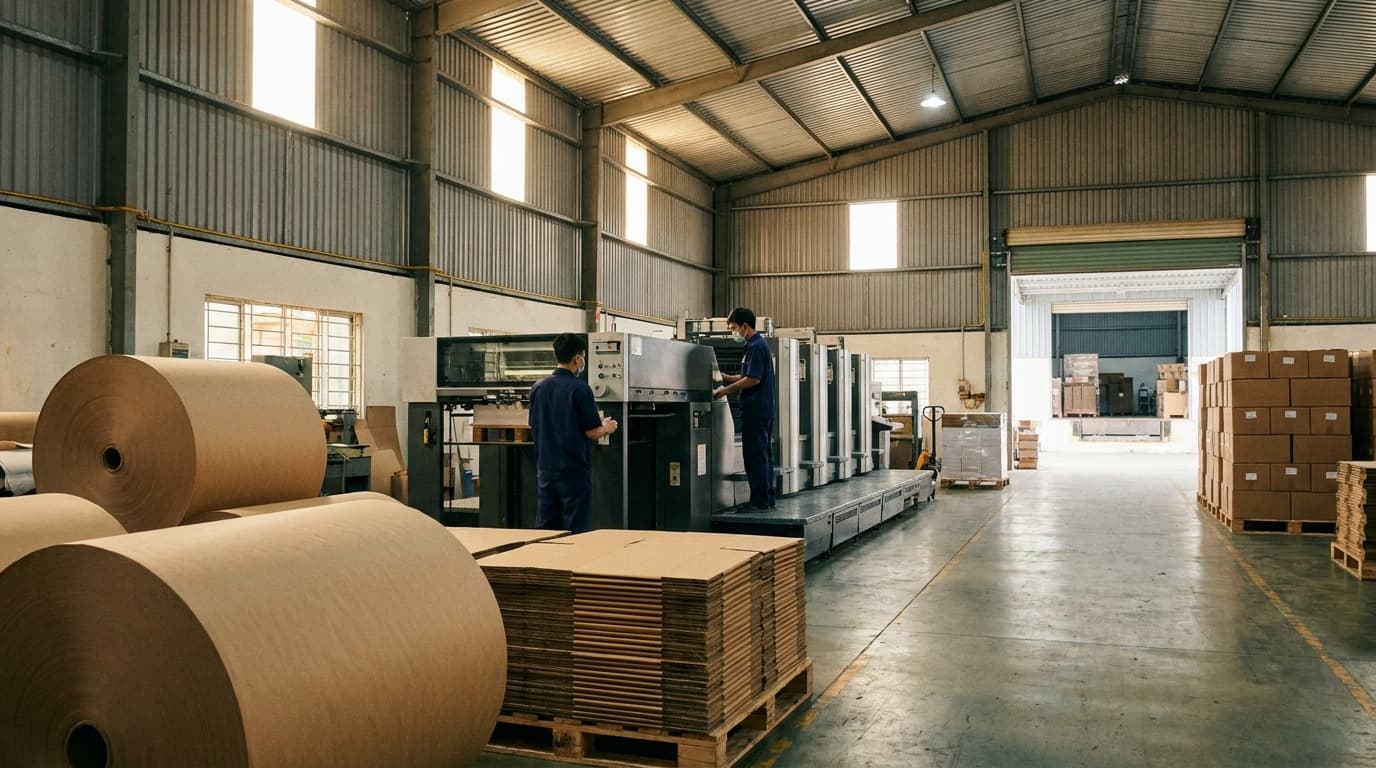 Inside a real factory
A real Vietnamese factory
Raw inputs arrive and real production transforms them in Vietnam. Under CBP's lens this is genuinely Made in Vietnam, and it can be proven with evidence.
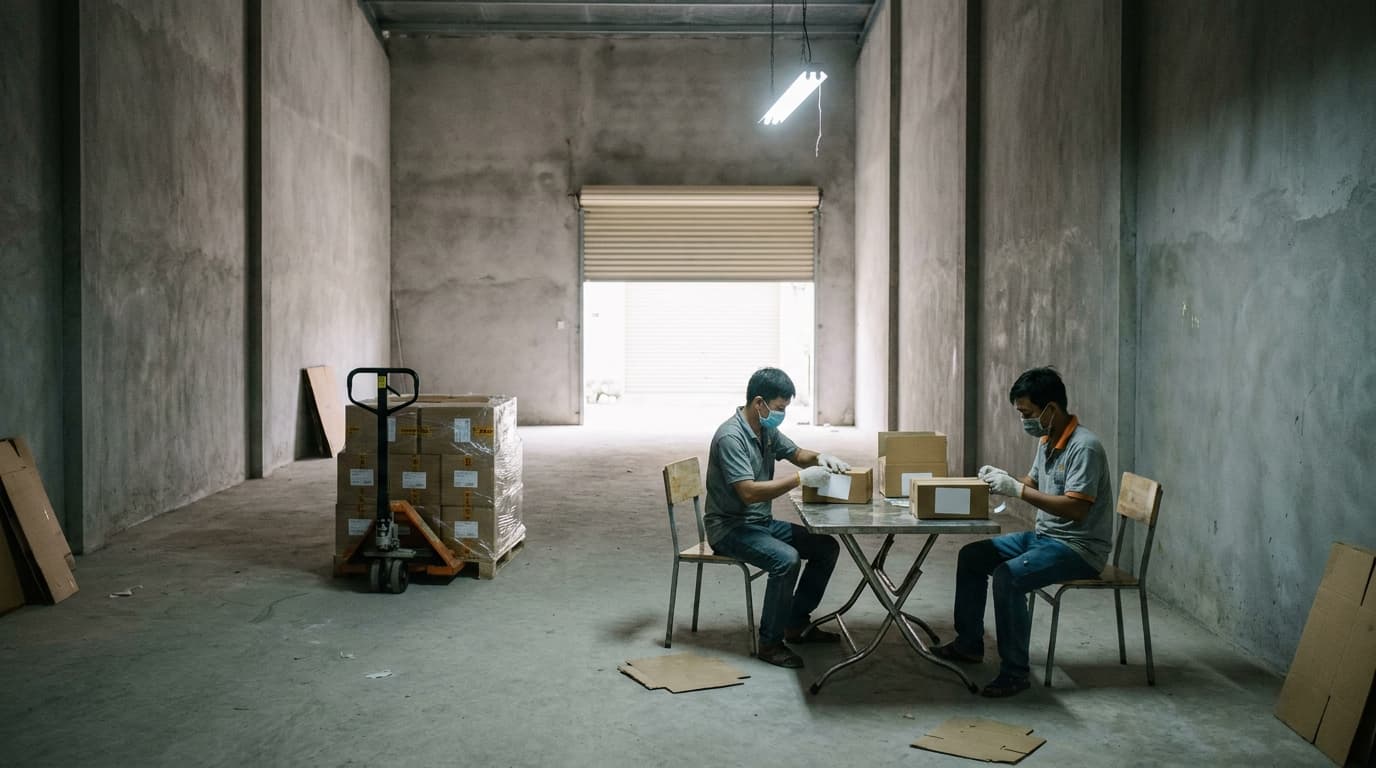 Inside a transshipment front
Chinese goods wearing a Vietnamese label
Near-finished goods are imported from China, lightly repackaged or minimally assembled, then exported as "Made in Vietnam." That label alone does not establish origin; CBP evaluates the product facts and production steps.
From a listing, you can't tell which one your supplier is. Saola Origin lets you tell, with evidence.
Origin evidence is a body of work built around one product line at one factory. Here's what's in the package.
We build a bill of materials for the product line, tracing each input to its supplier and where that input itself came from. This is the layer no listing or trade-data feed can see.
A % value-added assessment of the work done in Vietnam, framed against CBP's substantial-transformation criteria, so you can see how the product line sits relative to the test.
A local Saola verifier captures geo-tagged, timestamped photos and video of the actual production process. Everything is hash-stamped at upload, so the evidence is tamper-evident.
We review the supplier's Certificate of Origin issuance history and supporting export documentation. The paper trail is checked against the physical reality.
Because our supplier graph links input suppliers, we can flag a supplier that imports near-finished goods from China (the single biggest transshipment tell) as a graph edge rather than a hunch.
Everything lives in a vault you can share with your customs broker, auditor, or legal team, or hand to CBP on request. Every item carries its date, method, and verifier.
Every fact in the package carries its source, method, verifier, and date. Auditability is the point.
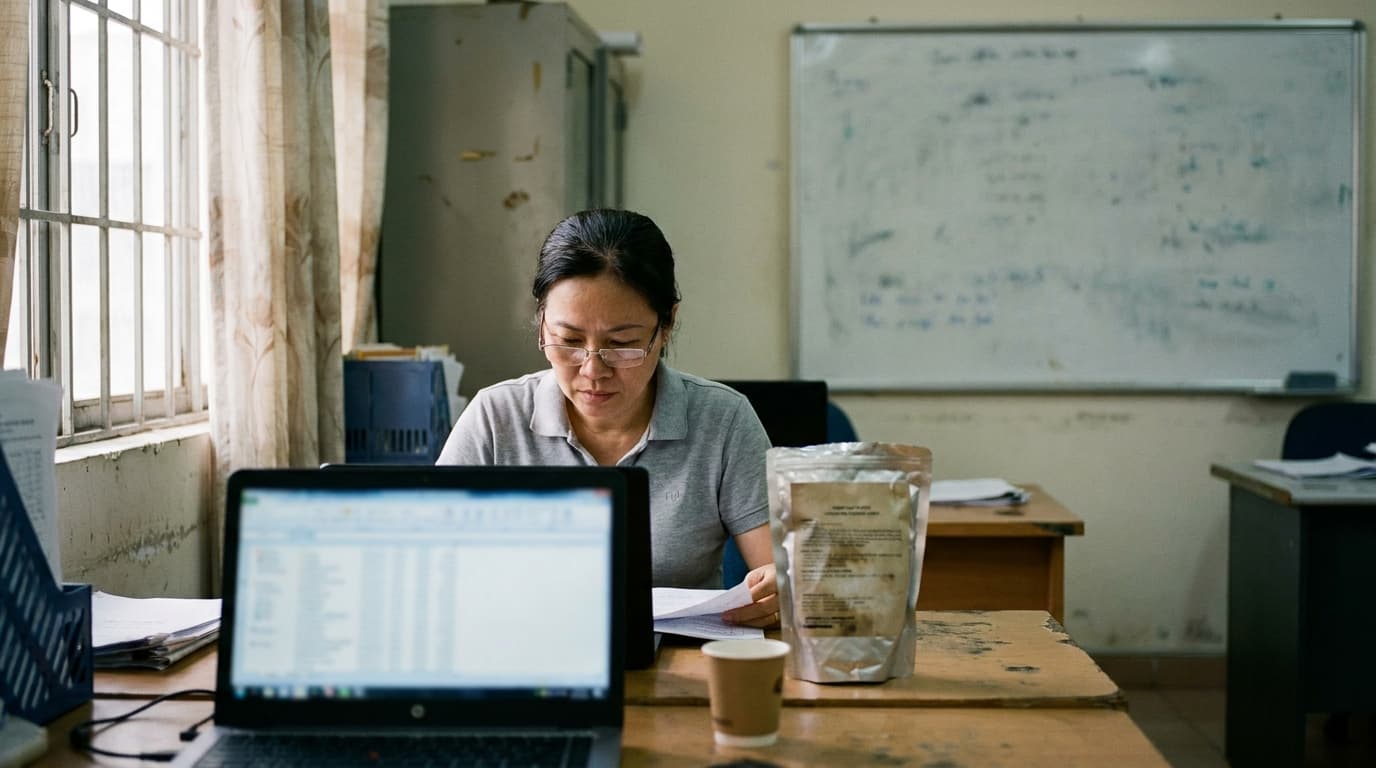
You name the supplier and the specific product line. We confirm what evidence is gettable and where the origin risk likely sits.
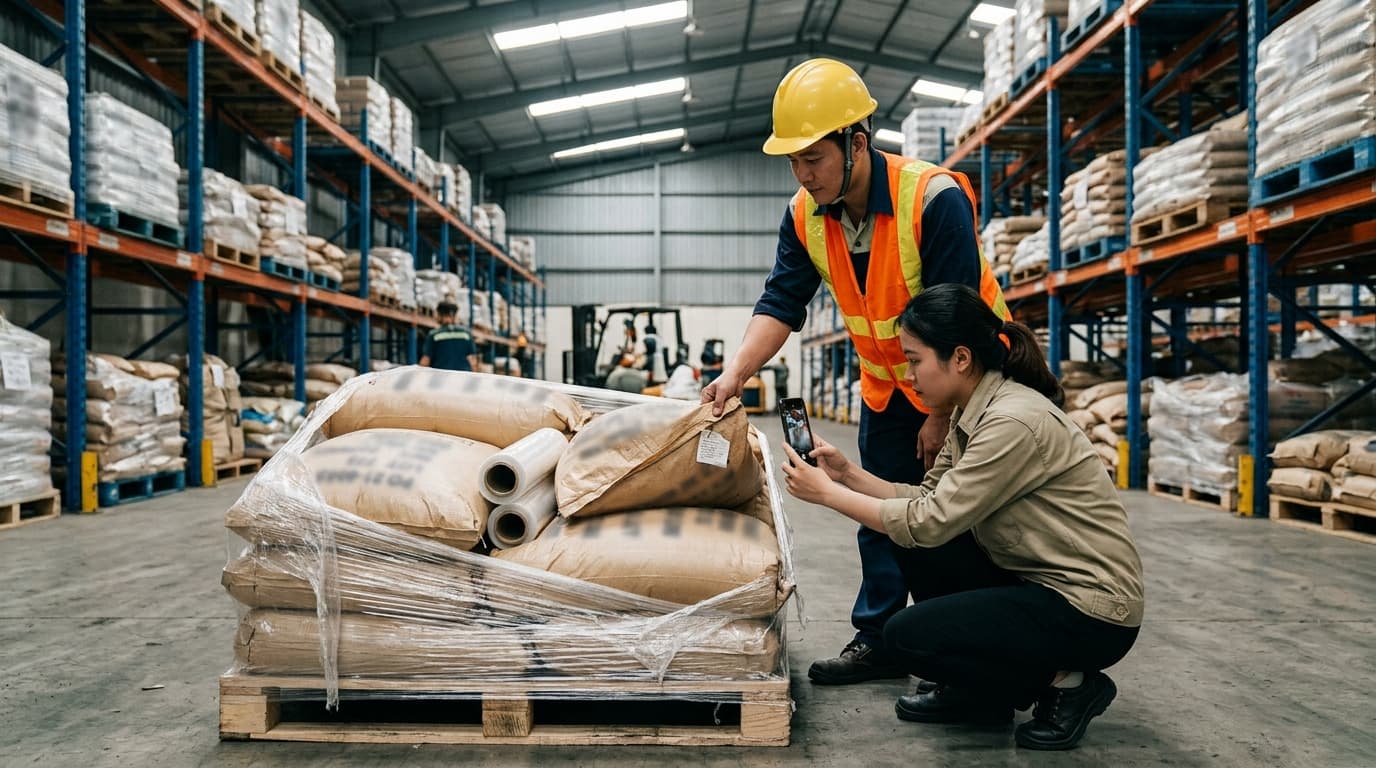
A local Saola verifier visits the factory, captures geo-tagged process evidence, and works the input BOM with the owner, in Vietnamese, on the floor.

We map inputs across the supplier graph, review C/O history and US bill-of-lading evidence, and run the near-finished-import red-flag screen.

You receive the origin evidence package and a documentation-readiness report in your vault, ready to hand off.
Origin builds on Saola Verified — our S0–S5 trust ladder. See how verification works
Origin evidence requires four things at once. Each incumbent is missing at least two.
The input BOM only exists on the factory floor, in Vietnamese, with the owner's trust. Our local verifiers and network get in.
Trade-data vendors see shipments, not processes.
We read C/Os, export declarations, and registry filings in Vietnamese, then structure them in English for your compliance team.
A marketplace listing doesn't even ask.
We frame evidence against CBP's substantial-transformation lens — the question your importer-of-record actually has to answer.
Auditors check social compliance, not origin.
Because we link suppliers to their input suppliers, we can see the near-finished-Chinese-import tell as a graph edge.
A listing of 2 million suppliers can't.
We build our intelligence from US bills of lading, public registries, and documents suppliers consent to share. Ask your current data vendor where their Vietnam records come from.
Saola Origin gives you evidence and a risk assessment, not a guaranteed customs outcome or a legal ruling. No one can honestly promise how CBP will rule, and we never will. We gather dated, sourced evidence and assess it against published substantial-transformation criteria, so your compliance team can make a documented decision. The origin determination stays with you. We think being straight about this is exactly why you can trust the rest.
$2,500–7,500
Per supplier / product line. Standalone, or add it to a Verified Shortlist or Managed RFQ.
Request an Origin Pre-Check on a supplier you're sourcing from today and get evidence you can hand to your broker, your auditor, or CBP.